 HiveScribe
HiveScribe
HiveScribe
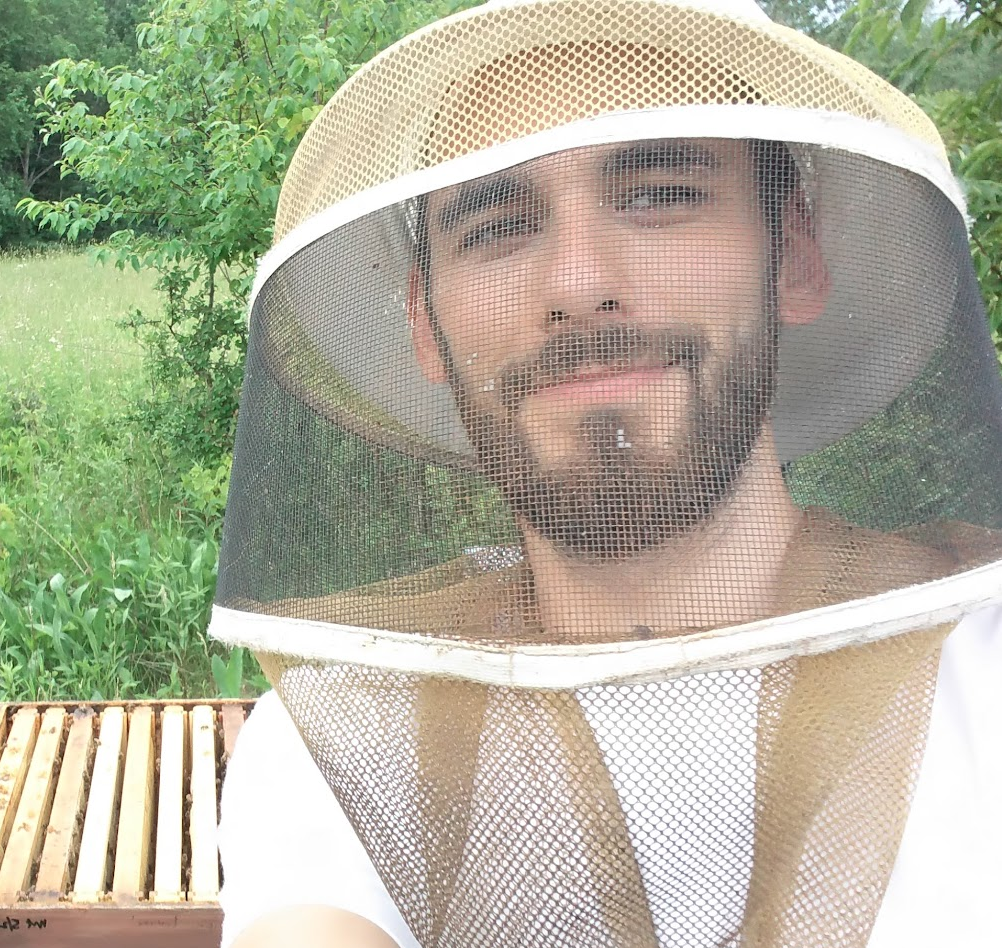
HiveScribe started with a simple problem: keeping good notes in the bee yard is harder than it should be.
I’ve been keeping bees for over 20 years. I spent one season at the U of MN Bee Lab and another five of those years I ran Four Seasons Apiaries LLC. My business partner and I focused on raising locally adapted queens. In a typical Minnesota season we produced around 200 queens, selecting from colonies that showed the traits we wanted to propagate.
Queen selection requires good record keeping. When you’re trying to identify your best genetics, memory isn’t enough, you need reliable notes on each colony over time. And because we were co-managing the operation, those records also needed to be shared and consistent.
Our first system was simple: three-ring binders stored in ammo cans at each bee yard. It worked, but it was clunky. Later I built an Android app around inspection forms designed specifically for the data I wanted to track. That's when I learned that beekeeping often doesn't fit in a form. Even though it was challenging I mostly typed free-form notes because that is what I needed.
As our operation grew, the combination of scaling logistics and the level of record keeping needed for queen breeding became overwhelming. When my wife and I were expecting our first child in 2018, I decided to wind down the business.
Today I’m back to managing a few dozen colonies and, like many beekeepers, thinking about what I’d do differently if I scaled up again.
HiveScribe is the tool I wish I had back then.
The goal is simple: make it easy to capture real observations in real time while working bees. Avoid the forms, typing, or complicated workflows. Just quick recordings that become searchable digital notes later.
My wife, who works in software development, has helped guide the project and keep it grounded in good engineering practices. Together and with your feedback, we’re building HiveScribe to support the way beekeepers actually work in the field.